8. German Arab Gulf Dialogue 2026
Deutschland und die Golfstaaten in bewegten Zeiten
Mit Prinz Turki AlFaisal, Bundestagsvizepräsident Omid Nouripour
...
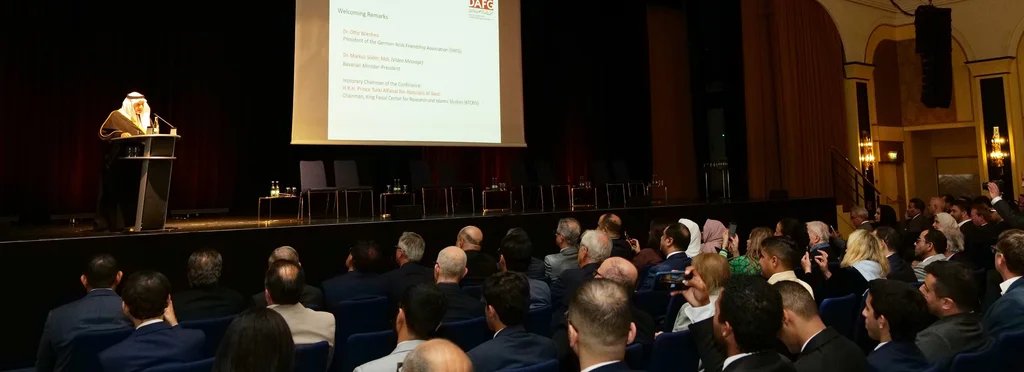
Deutschland und die Golfstaaten in bewegten Zeiten
Mit Prinz Turki AlFaisal, Bundestagsvizepräsident Omid Nouripour
...
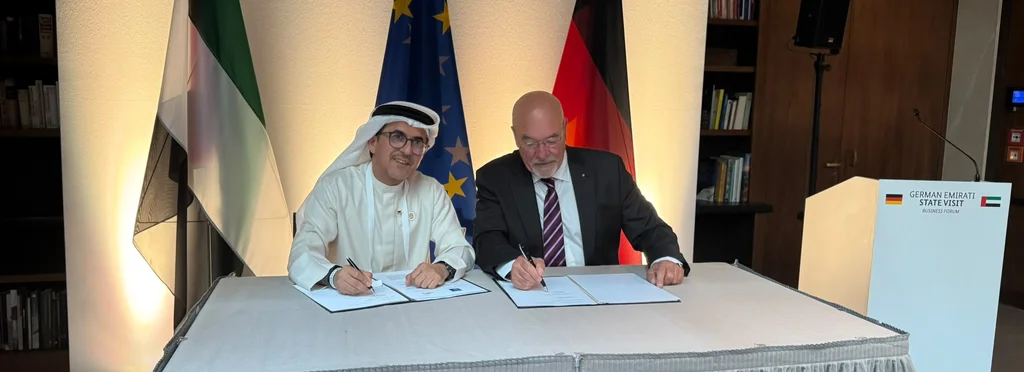
Milliardeninvestitionen in Bayern vereinbart.
München, 11.09.2026
DAFG-Präsident Dr. Otto Wiesheu und
...
Seit Juli 2026 ist die DAFG – Deutsch-Arabische Freundschaftsgesellschaft e.V. neuer Netzwerkpartner des
...
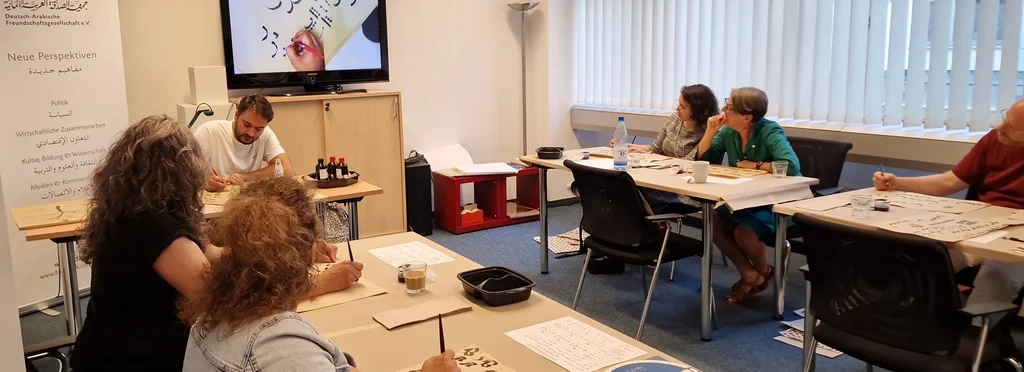
„Entspannend nach einem langen Schultag“ und „gut zum Abschalten vom Unterricht“ – so beschrieben die Teilnehmer:innen
...
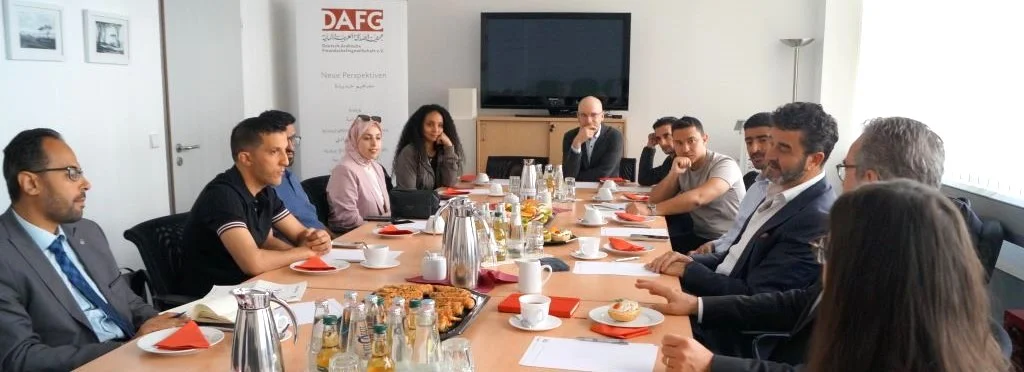
Im Rahmen des „Revitalizing Libyan-German Dialogue“-Programm der Konrad-Adenauer-Stiftung, das vom 8. bis 13. Juni 2026
...
16 July 2018, 6 p.m. - 8 p.m.
Freie Universität Berlin, Fabeckstr. 23-25, 14195 Berlin
Scholarship on the Islamic eighteenth century has traditionally argued that this is a century of disarray, stagnation, fragmentation of tradition, and decline. This widely accepted scholarly view asserts that the eighteenth century is a century of political and economic decline and intellectual stagnation. According to this view, an era of political and intellectual revival and reform ensues in the nineteenth century primarily as a result of the growth of European influence in, and the resulting intellectual challenges to, the Muslim world. More recently, some revisionist historians convincingly criticized notions of a comprehensive social and economic decline in the eighteenth century, and put forth the thesis of alternative and simultaneous Enlightenments that were not restricted to Europe. These studies often invite historians to shift the focus of research from the sphere of culture to that of political economy. In so doing, however, this approach fails to identify what, if anything, is original about the Islamic eighteenth century.
In this public lecture, based on his recently published book "Islam without Europe. Traditions of Reform in Eighteenth-Century Islamic Thought," Ahmad S. Dallal (Georgetown University in Qatar) offers a revision of both traditional historiography of the Muslim World in the eighteenth century and of the more recent attempts to revisit this historiography.
Ahmad S. Dallal is the dean of Georgetown University in Qatar.
Keine Artikel in dieser Ansicht.
 |
Oktober 2026 |  |
||||
| 28 | 29 | 30 | 01 | 02 | 03 | 04 |
| 05 | 06 | 07 | 08 | 09 | 10 | 11 |
| 12 | 14 | 15 | 16 | 17 | 18 | |
19 |
20 | 21 | 22 | 23 | 24 | 25 |
| 26 | 27 | 28 | 29 | 30 | 31 | 01 |
|
Oktober 2026 | |
||||
| 28 | 29 | 30 | 01 | 03 | 04 | |
| 05 | 06 | 07 | 08 | 09 | 10 | 11 |
| 12 | 13 | 14 | 15 | 16 | 17 | 18 |
19 |
20 | 21 | 22 | 23 | 24 | 25 |
| 26 | 27 | 28 | 29 | 30 | 31 | 01 |
Keine Artikel in dieser Ansicht.
immer Montags um 18:15 (ab 24.08.2026)
Haus am Kleistpark, Grunewaldstr. 6-7, 10823 Berlin, Raum 101